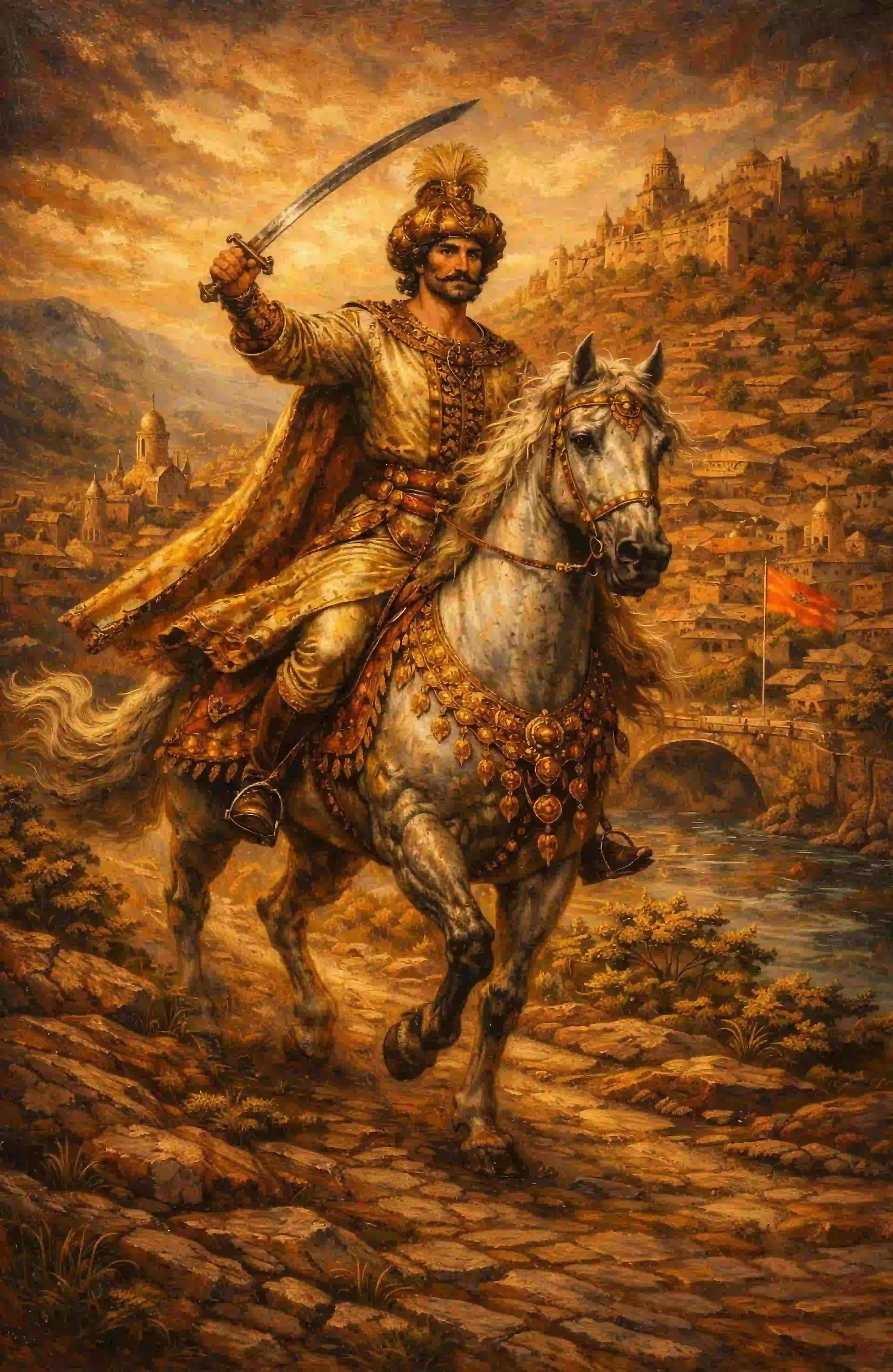
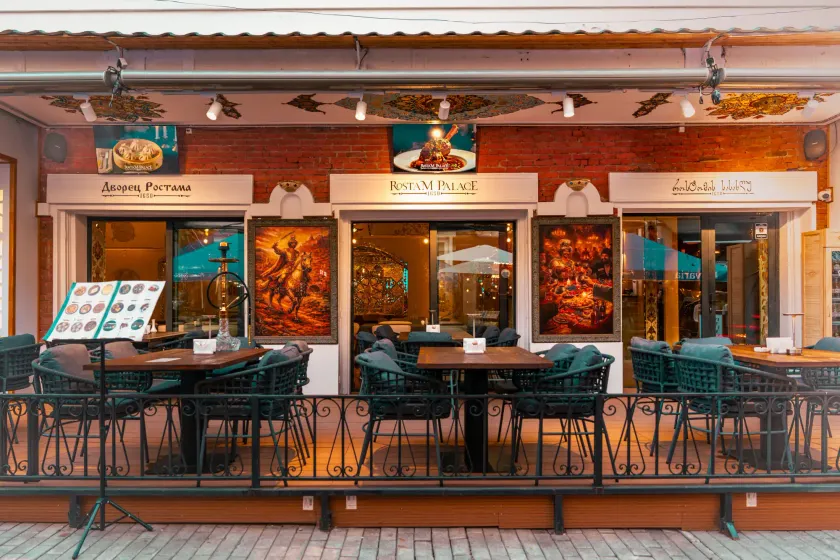
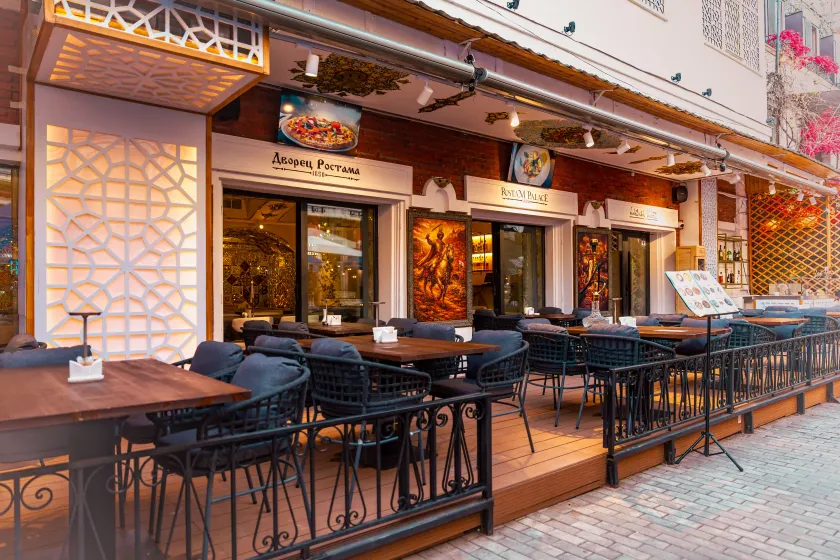
Rostam, the ruling prince of Kartli (Georgia), was a distinguished general and a romantic figure who governed Tbilisi in the 17th century.
Rostam Khan, a true Persian Georgian nobleman, was born in 1567 and passed away in 1658. He brought the artistry and refinement of his birthplace — Isfahan, once known as the capital of love and beauty in the Middle Ages — to his private residence in Tbilisi, where you stand today.
He was known for his fairness and integrity among the people of Tbilisi and played a significant role in promoting art and avant-garde design.
A romantic by nature, Rostam was devoted to creating intimate and elegant spaces for his private moments.
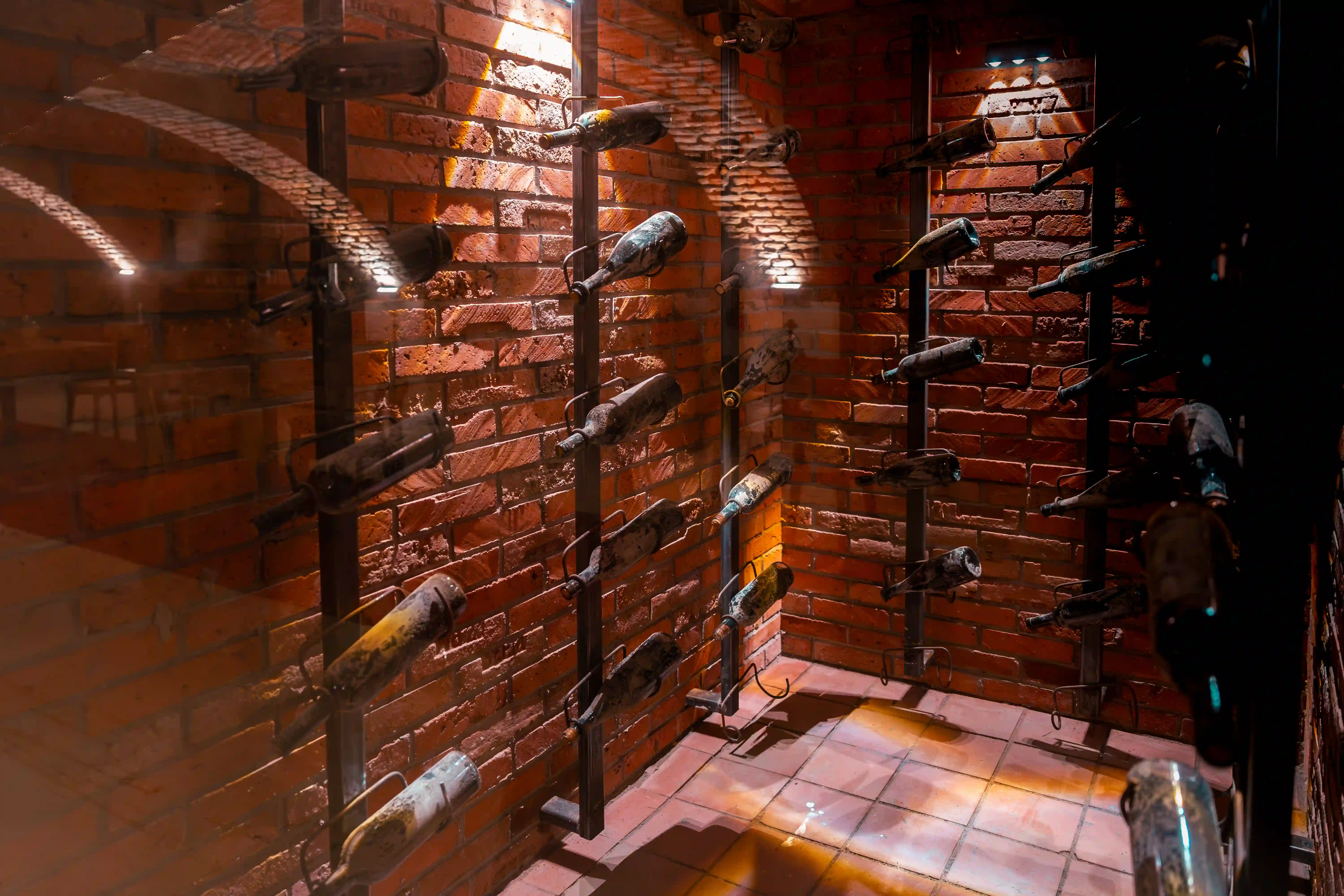
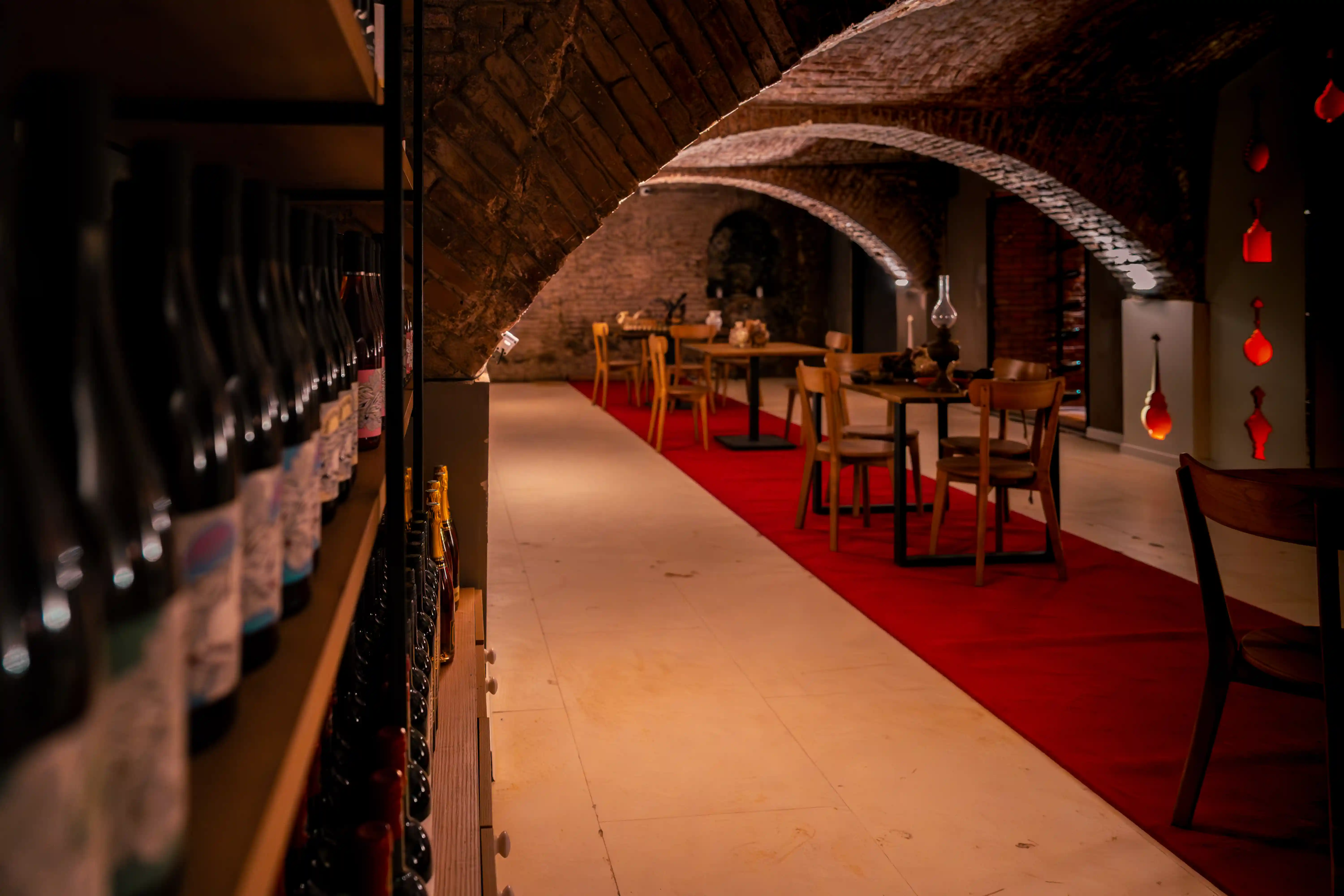
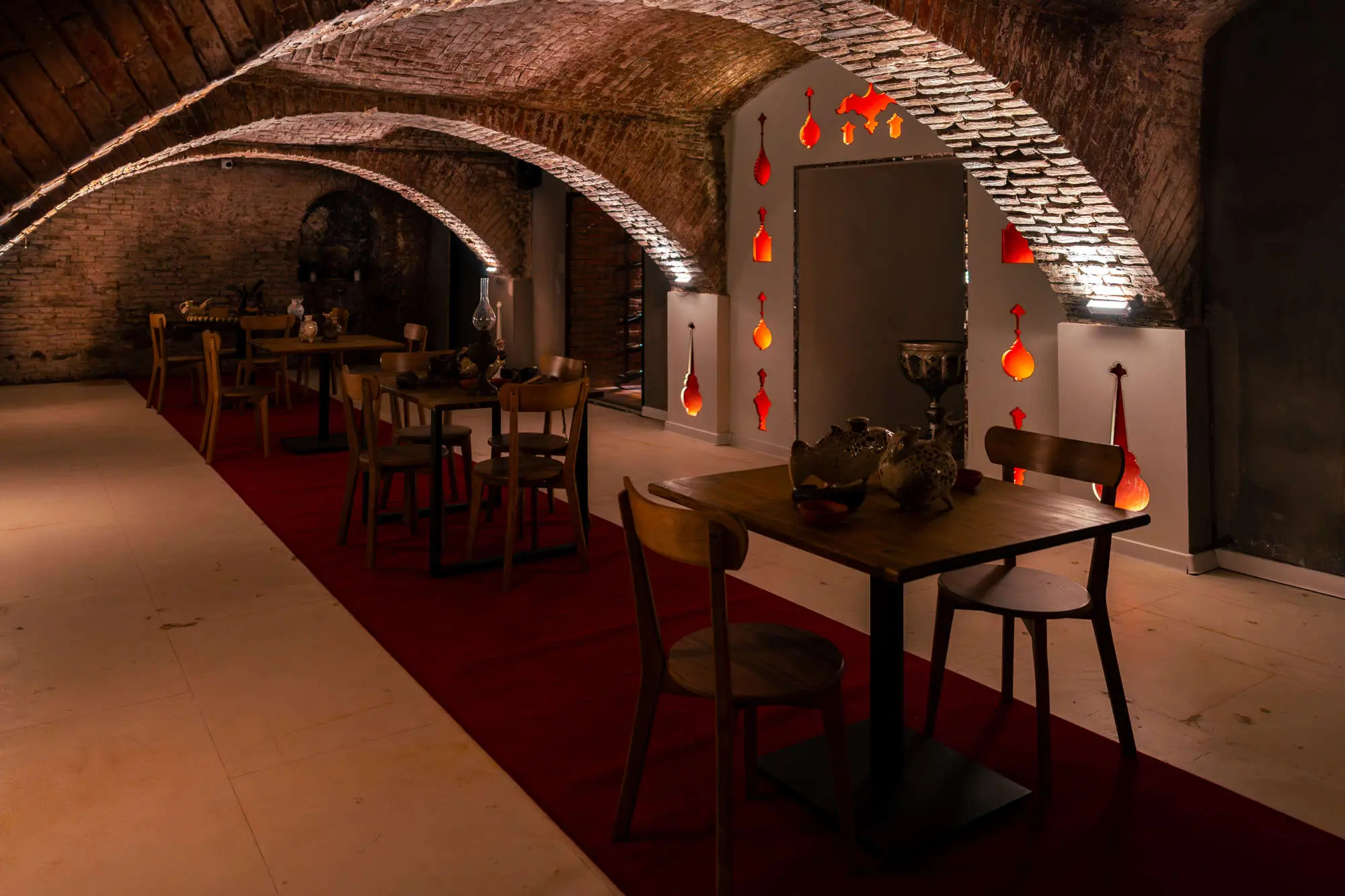
This residence stands among the rare architectural works in Tbilisi created with such scale, detail, and refinement since the 19th century.
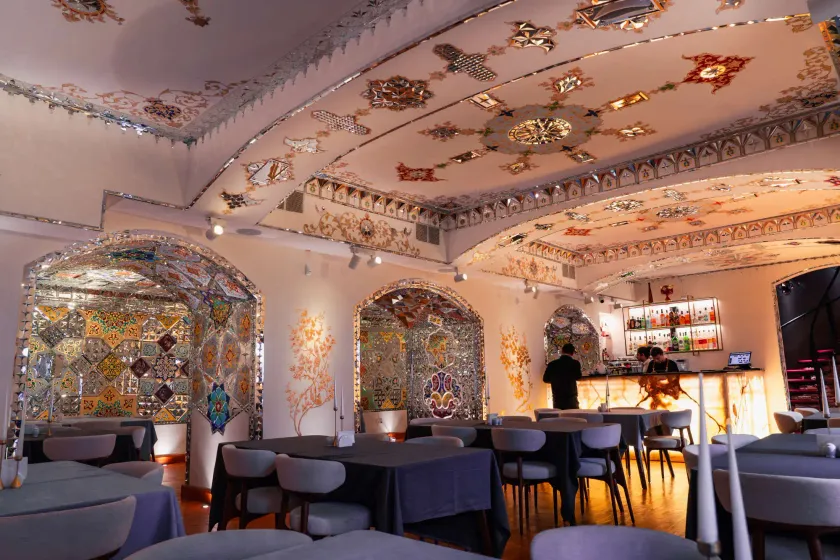
A comparable masterpiece was built by the Arshakuni family on Rustaveli Avenue — today's Academy of Arts — where craftsmen from Isfahan and Tabriz spent years perfecting its hall of mirrors.
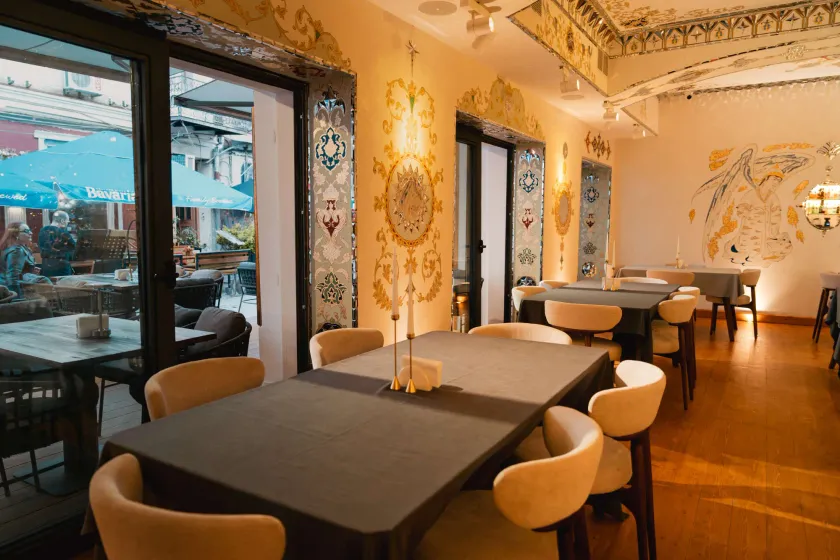
Now, after more than three centuries, and through the continued legacy of master craftsmen and artisan families who have preserved this art across generations, the palace has returned to the glory of its living days.
A place where unforgettable nights unfold in the reflection of a thousand mirrors.
Rostam Palace — then and now — has been a space for meaningful decisions, the birth of hopes, and, after long days, a sanctuary for rest and the joy of life.